
What Are EMDR Intensives — And Is One Right for You?
If you've been in weekly therapy for a while and feel ready to go deeper, or if you're drawn to a more focused, immersive approach to trauma healing, you may have come across the term "EMDR intensive." It's an option that's growing in popularity, and for good reason.
What Is an EMDR Intensive?
A traditional EMDR format looks like most outpatient therapy: 50-minute sessions, once a week, over a period of months. This works well for many people. The pacing allows time to integrate between sessions, and the ongoing relationship with a therapist builds something meaningful over time.
An EMDR intensive takes a different approach. Instead of spreading the work across many short sessions, intensives concentrate it into fewer, longer sessions, often half-day (3-4 hours) or full-day (6+ hours) formats, sometimes over consecutive days.
This isn't about rushing healing. It's about creating the kind of sustained focus that allows for deeper processing without the stop-and-start rhythm of weekly sessions.

Why Would Someone Choose an Intensive?
They've hit a plateau in weekly therapy and need some momentum to break through. They have a specific trauma they want to dedicate focused time to. Their schedule doesn't allow for weekly sessions, which is common for busy professionals, parents, or people who travel to San Diego specifically for this kind of work. They're preparing for a major life transition, like a new relationship, becoming a parent, or a significant career change. Or they simply want to move through their healing more efficiently.
What to Expect
Pre-intensive consultation: A thorough meeting to assess your history, goals, and readiness. This part isn't optional. It's essential.
Preparation sessions: Depending on your history and nervous system, we may schedule one or more sessions before the intensive to build resources and establish safety.
The intensive itself: Longer sessions allow us to move through preparation, reprocessing, and integration within the same container, without the clock running out at a critical moment. The extended format gives your nervous system time that a 50-minute session rarely allows. There's more room for the body and mind to do what they need to do, without being interrupted before the work has settled.
Post-intensive integration: Follow-up support to help the work continue to unfold. This might look like a follow-up session, ongoing therapy, or specific practices to support integration.
A Note on Cost
EMDR intensives are typically offered as private pay and are not covered by insurance. The investment varies depending on the format and length. If you're curious about what that looks like, cost and scheduling are easy things to talk through during a consultation.
Who Is an EMDR Intensive NOT Right For?
Intensive formats require a nervous system that's adequately resourced. They're generally not recommended if you're in active crisis, have no prior therapeutic relationship or coping skills, are dealing with severe unaddressed dissociation, or are very new to trauma work.
None of this means intensive work is permanently off the table. It may just mean there's preparation to do first. A good trauma therapist will help you assess where you are honestly.
Is an EMDR Intensive Right for You?
If you've already done meaningful therapeutic work, feel generally resourced, and are ready to go deeper, an intensive might be a powerful next step. When the timing is right, it can create the kind of movement that months of weekly sessions sometimes can't.
I offer EMDR therapy in San Diego in both traditional weekly and intensive formats for adults healing from complex trauma, relational wounds, and attachment injuries. Some clients come from out of the area and plan a trip to San Diego around a multi-day intensive. Others are local and simply ready for a more focused container. If you're curious whether an intensive is the right fit for where you are in your healing, let's talk.
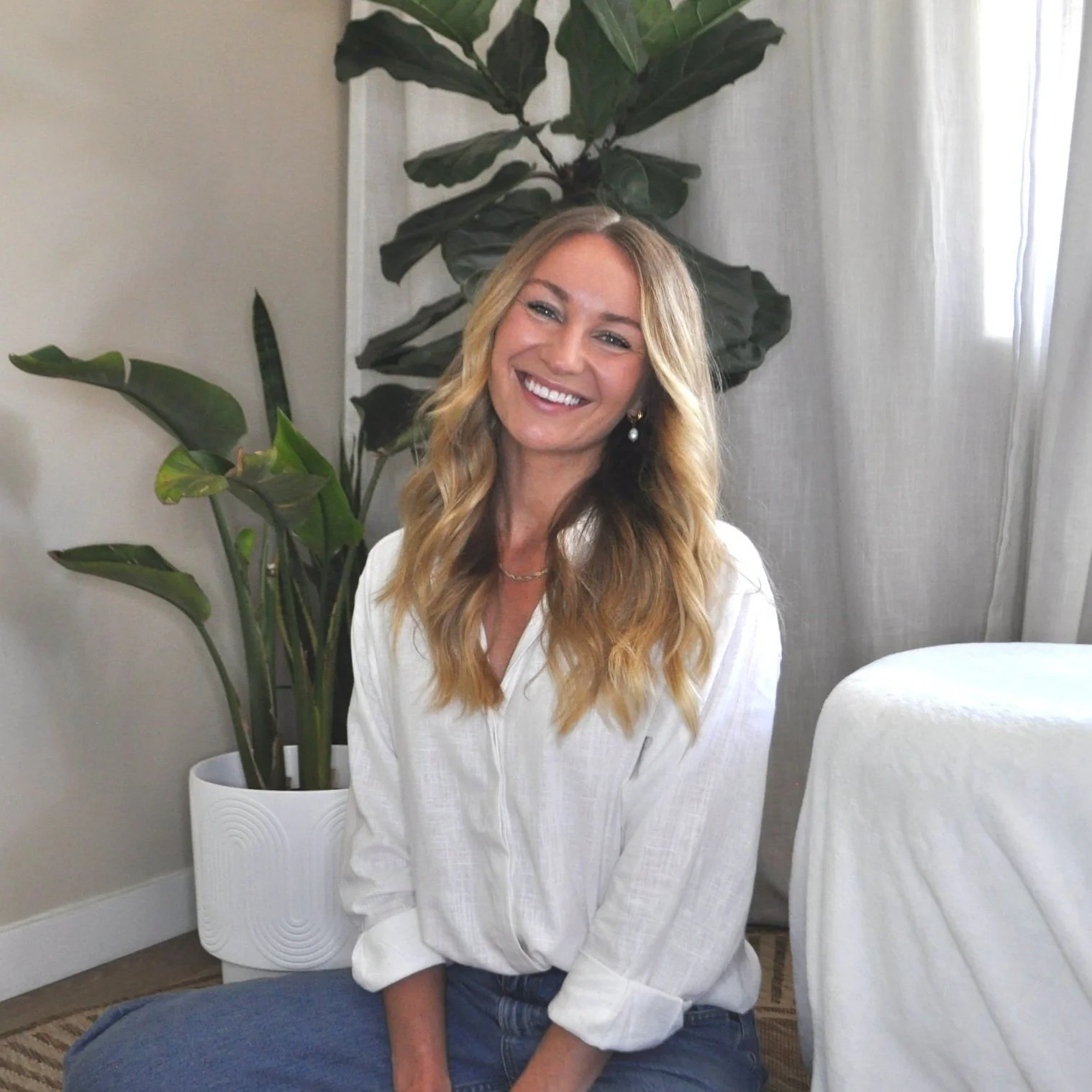
Aleah Maas is a Licensed Clinical Social Worker and relational trauma therapist based in San Diego, CA. She is the founder of Holistic Flow Therapy, where she specializes in helping adults heal anxious attachment, relational trauma, and complex PTSD. Using EMDR, Internal Family Systems (IFS), and attachment-based therapy, Aleah creates a safe relational space where clients can process early wounds, regulate their nervous systems, and build the secure attachment they deserve. She offers therapy online across California and in person in La Jolla.
